
Nature's Candy: 5 Low-Sugar Fruits Perfect for Your Lifestyle (And 5 to avoid!)


When people decide to cut out refined sugar, fruit is usually the first thing that causes confusion. Is it allowed? Will it spike your blood glucose? If you are managing diabetes, following a keto diet, or simply trying to live a cleaner lifestyle, the short answer is yes. You can absolutely still enjoy fresh fruit.
Why Fresh Fruit Gets a Pass
The secret to fresh fruit comes down to fiber. Unlike a soda or a candy bar loaded with refined ingredients, fresh fruit contains natural sugars wrapped in a fibrous matrix. This fiber slows down digestion and the release of glucose into your bloodstream. That means your body processes it much differently, helping you avoid the sudden spikes and subsequent crashes associated with processed junk.
Reaching for fresh fruit is also a much better way to satisfy a sweet tooth than relying heavily on artificial alternatives. Here are five fantastic, low-sugar fruits to keep in your rotation.
1. Raspberries
Raspberries are the undisputed champions of the low-carb fruit world. A half-cup serving contains only about 3 grams of sugar and packs an impressive 4 grams of dietary fiber. They are tart, sweet, and perfect for tossing into a bowl of plain Greek yogurt.
2. Blackberries
Right alongside raspberries, blackberries are incredibly friendly to a low-sugar lifestyle. They offer roughly 3.5 grams of sugar per half-cup and are loaded with antioxidants. Their robust flavor makes them a great snack right out of the fridge.
3. Strawberries
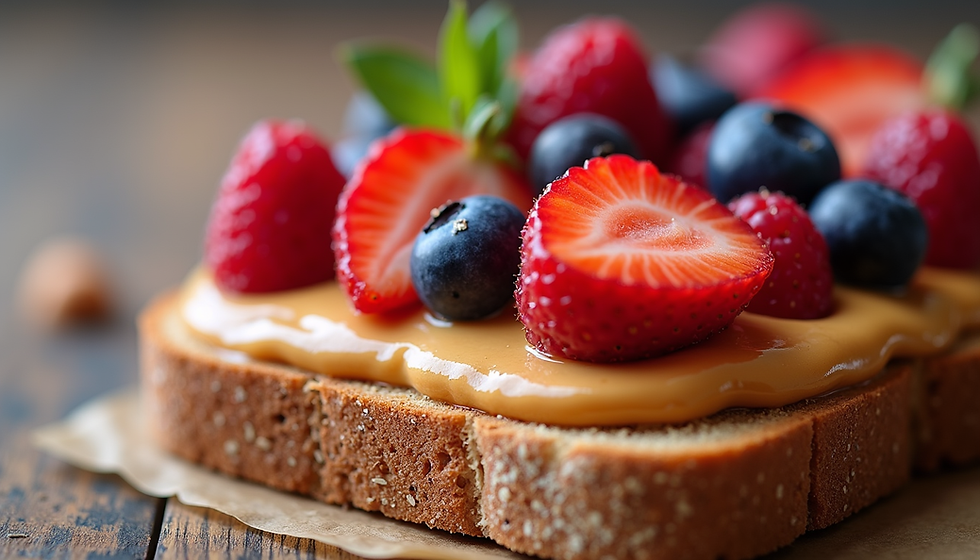
Strawberries feel like a decadent treat but are surprisingly low in sugar. A whole cup of halved strawberries contains about 7 grams of sugar. They are packed with vitamin C and pair beautifully with a handful of almonds or pecans for a balanced afternoon snack.
4. Avocados
Yes, avocados are technically a single-seeded berry. They are a staple for anyone watching their sugar intake because a whole avocado contains less than 1 gram of sugar. Instead of sweet carbohydrates, they deliver healthy monounsaturated fats that keep you full and energized for hours.
5. Watermelon
While it might taste incredibly sweet, watermelon is mostly just water. A one-cup serving of diced watermelon contains about 9 grams of sugar. While that is slightly higher than the berries on this list, its low carbohydrate density per bite makes it perfectly fine in moderation on a hot summer afternoon.
5 Fruits to Limit or Avoid
While the fiber in fresh fruit helps slow down sugar absorption, some fruits are naturally so high in sugar that they can quickly push you over your daily carbohydrate limit. If you are strictly monitoring your macros for a keto diet or managing diabetes, these five are better left off your grocery list.
1. Mangoes
Mangoes are undeniably delicious and tropical, but they are incredibly dense in natural sugars. A single mango can pack over 45 grams of sugar and 50 grams of carbohydrates. Even just a one-cup serving of chopped mango sits at around 22 grams of sugar, making it one of the quickest ways to spike your glucose levels.
2. Bananas
Bananas are often the go-to fruit for a quick snack or a smoothie base. However, as bananas ripen, their starch content converts directly into sugar. A single medium-sized banana contains about 14 grams of sugar. If you are going to eat one, opting for a slightly greener banana will give you more resistant starch and slightly less sugar.
3. Grapes
Grapes are nature's bite-sized candies, which makes them dangerously easy to overeat. A single cup of grapes contains roughly 15 grams of sugar. Because they lack the bulk and fiber of a thicker fruit like a berry, you can easily consume two or three cups without realizing it.
4. Cherries
Fresh cherries are another fruit that is very easy to snack on by the handful. A one-cup serving of sweet cherries delivers roughly 18 grams of sugar. If you love the flavor of cherries, tart cherries are a slightly better option, but they still require strict portion control on a low-sugar diet.
5. Pineapples
Pineapple is packed with vitamin C and unique enzymes, but it is also loaded with sugar. One cup of pineapple chunks brings about 16 grams of sugar to the table. Juicing a pineapple is even worse, as it completely strips away the fiber and leaves you with a highly concentrated glass of liquid sugar.


Comments